Removals in Ireland

Removals in Ireland should feel organised, careful and straightforward from the first conversation to the final item placed in position. Our service covers home and business moves, furniture collection, packing support and the practical handling needed to move contents safely between addresses. If you are comparing options, start with the type of move, the access at each property and the volume to be moved, then build from there. Clear planning makes the work smoother and helps the right vehicle, team and materials be assigned.
We work with a practical approach that suits a wide range of moves, from a few bulky items to full-property relocation. That can include dismantling and reassembly where appropriate, wrapping pieces that need extra protection, and keeping delicate or awkward items separate from general loading. The aim is not only transport, but a move that is well sequenced, so the day is easier to manage and the risk of avoidable damage is reduced.
To request a quotation, begin with the basics: what needs moving, where it is going, and any access points that matter such as stairs, tight hallways or limited parking. Two or three details are usually enough to begin a proper conversation, and photographs can help where the inventory includes larger furniture or mixed household contents. If you already know your move date, mention that as well. For the quickest next step, use the contact route on the site and send the essentials in one message.
Home removals and furniture handling
Home removals need a balance of careful packing, sensible loading and a clear sequence at both addresses. Sofas, wardrobes, dining sets, beds, appliances and boxed personal items can all require different handling, depending on weight, fragility and access. When the move is planned properly, each item is loaded in a way that helps protect finishes and keeps the van space efficient. That matters just as much on a short local move as it does on a longer journey across the country.
Our home moving work can cover single-room contents, part-house moves and full household relocation. Where suitable, we can support dismantling and rebuilding of larger furniture, and we can use packing materials for items that need extra support in transit. If you are comparing removal options, it is worth thinking about which pieces are most awkward, which items should travel separately, and whether there are narrow stairs, lifts or parking restrictions to factor in. The right preparation often saves time on the day.
For a clearer quotation, it helps to separate the move into practical groups: main furniture, fragile items, boxes, appliances and anything especially heavy or unusual. You do not need to write a long inventory, but a concise outline of what is involved gives a more accurate picture. If there are time constraints such as a key handover window or building access slot, include that too. Pricing and quotes can then be discussed alongside the scope of work, rather than as an afterthought.
Commercial moves and office relocation

Commercial moves call for a different rhythm from domestic work because the priority is often continuity, equipment handling and keeping the layout of the new premises workable. Office relocation can involve desks, chairs, storage units, filing, monitors and other business contents that need to be packed and unloaded in a sensible order. A move is easier to control when items are grouped by department, room or function before collection, and when fragile equipment is marked clearly.
We can support office removals and related commercial relocation tasks that require planning around access, lifts, loading bays and building rules. That may include moving workstations, archive storage and furniture from smaller business premises as well as larger offices. If you need a wider look at the available business move options, commercial moves explains the type of work that can be arranged for business premises and why the handling requirements can differ from home removals.
Before you request a quote, think about whether the move will be completed in one journey or in phases, whether items must be reassembled at the new site, and whether any equipment needs special preparation. It also helps to note which items are fitted, which are freestanding, and which are to remain in place. For moves involving computers, printers or other office kit, sensible packing and clear labelling can make setup at the destination much easier.
Packing support and protective preparation
Packing is often the difference between a move that feels manageable and one that becomes rushed. Good packing separates the contents into clear groups, protects breakables and keeps boxes within a sensible weight range. It also helps at the destination, because labelled boxes can be placed in the correct rooms more quickly. Depending on the move, packing support can range from a few fragile items to a fuller service that covers most or all of the property.
Our packing and unpacking services are useful where the client wants help preparing contents before collection and settling them after arrival. This can include wrapping glassware, securing ornaments, organising kitchen contents, and making sure awkward pieces are protected with suitable materials. For some moves, unpacking assistance is just as valuable, especially when access is limited or the schedule is tight. The work is best approached as part of the overall removal rather than as a separate, disconnected task.
When asking for a quotation, mention whether packing materials are needed and whether you want packing help for everything or only for the most fragile items. You can also flag books, files, artwork, mirrors or electronics if they need special care. A simple list is enough in most cases; it is better to be concise and accurate than to send pages of detail that still leave out the awkward pieces. That helps us match the scope of the move more closely.
Vehicle options and load capacity

The vehicle used for a removal should match the load, access and distance involved. A smaller van can suit lighter loads or partial moves, while a larger removal vehicle can be more suitable for full house contents, mixed commercial stock or bulky furniture. The point is not simply to fit everything in, but to load items safely, keep them stable during transit and reduce unnecessary handling. In practical terms, that means choosing the right size rather than forcing everything into one generic solution.
Our site includes several related vehicle and removal pages, such as moving van, moving truck and removal van. Those pages can help you understand the difference in approach between a lighter move, a larger household load and a vehicle chosen for furniture transport. Where the work is simpler, a more compact option may be enough; where the contents are more substantial, a bigger vehicle can make loading more efficient and reduce the need for multiple trips.
When planning a quote, it helps to be realistic about volume and access. Narrow driveways, top-floor flats, long carries from the kerb and restricted parking all affect the choice of vehicle and the time needed on site. If you are not certain which size is most suitable, describe the property and the main pieces first, then ask for guidance. That is usually enough to narrow the choice without overcomplicating the enquiry.
Man and van removals for smaller loads
Man and van removals are often the practical choice for smaller moves, single-room contents, student moves, furniture collection or a short-distance relocation where flexibility matters. The service suits situations where a full-size removal operation would be more than is needed, but the customer still wants proper loading, transport and unloading support. It can also work well for one-off items that are too large for a car yet do not justify a larger crew or vehicle.
Our related pages include man and van, man with a van and man with van removals, which reflect the same style of service from slightly different angles. These are useful when you are comparing lighter removal options or considering whether a small-scale move can be handled efficiently in one trip. For many customers, this approach is a practical middle ground between a simple hire vehicle and a full removals team.
If you want a quotation, give a short description of the load, the start and end locations, and any awkward items such as wardrobes, appliances or heavy office chairs. A few photographs can be helpful if there are mixed items or anything unusually bulky. If there are several stops, say so at the outset. That allows the move to be assessed properly and keeps expectations realistic on both sides.
House and property removals
House removals are usually easier when the work is planned by room and by category of item, not just by pile. That makes it simpler to protect breakables, separate items for each floor and make sure the most awkward furniture is dealt with first. A well-managed property move also considers access at both ends: steps, corridors, parking, gates and the route from the front door to the vehicle all influence the pace of the day.
We provide house-moving support that can be discussed alongside house removals, home moves and house movers. Those pages are relevant if you are comparing broader household relocation options or want to understand the type of move support that may be appropriate for a property change. The right fit depends on whether the job is a full move, a partial move, or simply transport for selected furniture and boxes.
If your move includes garage contents, loft items, garden furniture or storage-room goods, mention those separately. These areas are often forgotten until late in the process, but they can add to the final load significantly. It is also useful to flag whether appliances need disconnecting before collection or whether they are already ready to go. Good notes at the quotation stage reduce confusion later.
About Ireland

Ireland is an island in the North Atlantic that forms part of the British Isles, lying to the west of Great Britain and separated from it by the Irish Sea, St George’s Channel and the North Channel. Politically, most of the island is the Republic of Ireland, while Northern Ireland is part of the United Kingdom. The island has a long and layered history shaped by Celtic settlement, medieval lordship, plantation, political union, partition and modern independence movements. Its geography ranges from low-lying central plains to mountain districts such as the Wicklow Mountains, the MacGillycuddy’s Reeks and the Mourne Mountains. Coastal scenery is a major feature, with Atlantic headlands, bays, inlets and island groups framing much of the shoreline. The River Shannon, the longest river on the island, runs through a broad inland corridor and connects with a wide network of lakes and wetlands. Major urban centres include Dublin, Cork, Limerick, Galway and Belfast, each with its own distinctive built heritage, cultural institutions and contemporary city life. Dublin combines Georgian streets, dockland redevelopment and historic civic buildings; Cork is known for its river setting and harbour connections; Galway has a strong association with arts and festivals; Belfast retains industrial and maritime heritage alongside modern cultural venues. Across the island, monasteries, castles, abbeys, music traditions, literature and Gaelic cultural revival have all left visible traces, while national parks and walking routes continue to highlight its landscapes and wildlife. The island’s place names, languages and local identities reflect a complex history, and many towns still show a mix of older stonework, Victorian streets, post-war development and newer housing or commercial districts. This variety gives Ireland a distinctive character that is both historic and evolving, with countryside, coastline and urban centres each contributing to its sense of place.
Furniture pick-up, single items and local collections
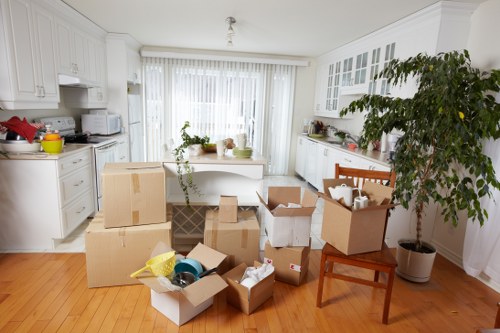
Furniture pick-up can be a practical part of a broader removal or a standalone request when one item needs to be collected, delivered or moved between rooms. Sofas, beds, wardrobes, dining tables and office desks are common examples, but the same approach also applies to appliances or bulky pieces that need careful lifting and secure transport. The main concerns are weight, access and how the item can be protected so that finishes and fittings are not damaged during handling.
For more detail on this kind of collection work, see furniture pick-up. If you are considering a one-off transfer rather than a full household move, this option can be worth discussing, especially when the item is too large for a standard vehicle or needs two-person handling. It is also useful when a property contains a mix of smaller pieces and one or two heavier items that need separate attention. The same practical planning still applies: note the dimensions, access and destination, then ask for a suitable arrangement.
When you are ready to request a quotation, keep the note brief but complete: item or items, collection point, delivery point, access details and any special handling needs. That makes it easier to assess whether the job is best handled as a single-item collection, a small removals visit or part of a wider move. If there are stairways, tight turns or fragile surfaces involved, say so early. A clear enquiry helps produce a more useful response.
Pricing, planning and the move day
Removals are usually priced according to a combination of load size, distance, access, labour required and any extra handling such as dismantling or packing. Two jobs that look similar at a glance can require very different levels of effort once stairs, parking or heavy items are taken into account. That is why the most useful quotation is one based on a good outline of the work rather than a vague description of a house move or van hire.
If you want to keep the estimate straightforward, begin by listing the main furniture, the number of boxes, any items that are unusually fragile or heavy, and whether the move includes packing help. Then decide whether the service is for a home move, office relocation or furniture collection, because each one involves slightly different planning. For related information, removal services gives a broader view of the type of work that can sit around a move, while removals is a useful general reference point for the core service itself.
On the day, a little organisation goes a long way. Keep essential documents, valuables and immediate-use items separate, and make sure clear access is available where possible. If there are items that must stay with you, set them aside before loading begins. For all other details, a brief written note is often enough. Good preparation is not about overdoing it; it is about removing uncertainty.
Related removals information and next steps
There are several pages on the site that may help you compare the scope of work before deciding how to proceed. removal company and removal companies are relevant if you are weighing up the type of provider you want, while removals near me is a general starting point for customers looking at local options. If your move involves a more specific setup, office removals and man with van removal can also help frame the right style of service.
We also keep useful operational pages for customers who want to understand how enquiries are handled and how site information is managed. health and safety policy, insurance and safety, payment and security and recycling and sustainability are available if you want to review the wider standards around the service. These pages do not replace a move discussion, but they can support a more informed decision when you are comparing options and planning the next step.
If you are ready to move forward, send the main details now and ask for a quotation in plain language. Include the property type, the items involved and the timing you need, then let the team respond with the most suitable arrangement. For the final step, go to contact us and make your enquiry.