House Removalists in Ireland
Local House Moving Support for Families, Renters, and Homeowners

Moving home is one of those life events that sounds simple on paper and then quickly becomes a full-scale project in real life. Whether you are moving from a city apartment in Dublin, a semi-detached house in Cork, a family home in Galway, or a rural property in Kerry, the right team can make the day feel far more manageable. House removalists in Ireland are there to help with the physical work, the planning, the transport, and the timing so your move is handled with care and less stress.
Local house removals are not just about lifting furniture into a van. They are about understanding Irish roads, local parking restrictions, narrow staircases in older homes, apartment access rules, weather changes, and the everyday realities of moving belongings safely. A professional removals service can support customers moving across town, across counties, or between cities, and can also assist with smaller jobs that still need proper handling.
For many customers, the most important thing is confidence. You want to know your sofas, beds, wardrobes, appliances, boxes, and personal items will be handled properly and arrive when expected. You may also need help with last-minute changes, awkward access, or a property that is not easy to load from the street. That is where experienced house movers in Ireland can make a real difference.
Why a Local Moving Team Matters in Ireland
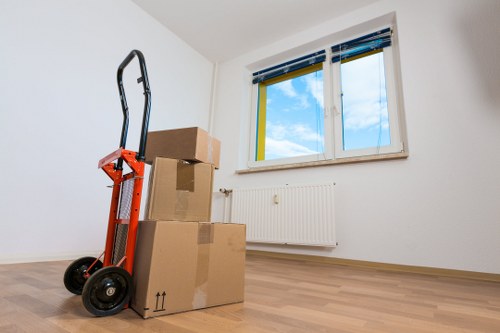
Choosing local removalists is often more practical than relying on a team that does not know the area. In Ireland, moving routes can vary a lot depending on whether you are in a busy city centre, a suburban estate, a village lane, or a countryside road. Local crews understand how to work around traffic timing, loading zones, residential parking, and the different access challenges that come with Irish property types.
Older terraced houses, upper-floor apartments, duplexes, new estates, and period homes all come with different moving requirements. Some properties have tight hallways, narrow staircases, or low ceilings. Others may have limited parking or long carries from the van to the front door. A local house removal company is used to dealing with these conditions and can plan accordingly, which saves time and reduces the risk of damage.
Irish weather can also affect a move. Rain, wind, and damp conditions can all make moving more difficult, especially when handling upholstered furniture, cardboard boxes, and fragile items. A dependable removal team will bring the right equipment and use sensible loading methods to protect your belongings in all seasons. If you are arranging a move at short notice or during a busy period, a local team can often adapt more easily to the realities of your schedule.
What House Removalists Typically Help With
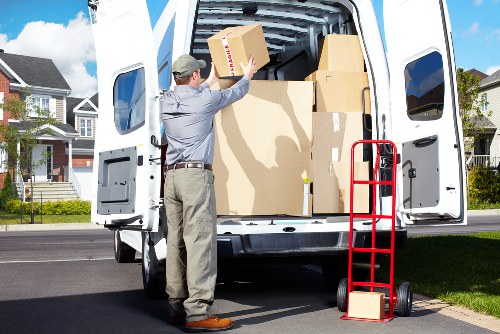
House removalists in Ireland can support a wide range of home-moving needs. Some customers want a full moving service from packing through to unloading. Others only need transport for larger furniture or a van and crew for moving day. The right service will depend on the size of your property, the number of items involved, and how much of the job you want handled for you.
Common services may include home removals, furniture moving, apartment moves, single-item transport, part-load removals, and moving support for landlords, tenants, and homeowners. Some teams also help with packing materials, wrapping furniture, dismantling and reassembling beds or wardrobes, and placing items in the correct rooms at the destination.
For people moving offices or workspaces, some removal teams also cover commercial removals. That can be useful for small businesses, home offices, and professional practices that need desks, chairs, files, and equipment moved with care. While the focus here is house removals, it helps to know that many local providers can support both domestic and business customers when needed.
Typical household items that can be moved
Every home is different, but most removal jobs involve a mix of everyday belongings and larger items. These may include:
- Beds, mattresses, wardrobes, and chests of drawers
- Sofas, armchairs, coffee tables, and dining sets
- Fridges, washing machines, dryers, and other appliances
- Televisions, electronics, and entertainment units
- Boxes of clothes, books, toys, and household essentials
- Garden furniture, bicycles, and seasonal items
- Fragile items, mirrors, artwork, and ornaments
It is often the mix of ordinary things that creates the biggest moving challenge. A house move can look straightforward until you start dealing with awkwardly shaped furniture, boxed kitchenware, and items that must be protected from scratches, moisture, or impact. A skilled moving crew knows how to load a van efficiently and secure items so they stay stable during transit.
Some customers also need help with partial moves, such as taking furniture from storage to a new home, moving a few rooms at a time, or bringing selected items to a different county while the rest of the house is still being prepared. House removal services in Ireland are flexible enough to cover these practical situations.
How the Moving Process Usually Works

A good removals experience usually starts with a conversation about your property, your timeframe, and the items you need moved. This helps the team understand whether the job involves a full house, a top-floor apartment, or a smaller load with awkward access. It also gives you a chance to explain any specific concerns, such as large furniture, fragile possessions, tight stairwells, or parking limitations.
Once the move is arranged, the team can plan the vehicle size, the number of movers needed, and the best way to handle loading and unloading. On moving day, the crew will usually arrive with tools and equipment for lifting, carrying, protecting, and securing items. Depending on the service agreed, they may also assist with dismantling furniture, wrapping key pieces, and placing boxes in the correct rooms at the new address.
After transport, items are unloaded carefully and placed where possible to make settling in easier. For many customers, this is one of the biggest benefits of using professional house movers: the heavy lifting is done properly, and the move feels organised rather than chaotic. If you have a time-sensitive handover, key collection, or a strict move-out date, a structured process becomes even more valuable.
Preparing for House Removals in Ireland

Even when you are hiring a removals team, a little preparation can make moving day much smoother. The aim is not to do everything yourself, but to get the home ready so the crew can work efficiently and safely. Good preparation can also reduce the chance of breakages, misplaced items, or unnecessary delays.
One useful approach is to begin with the items you use least often. Store seasonal decorations, spare bedding, and off-season clothes first, then move on to kitchen extras, books, ornaments, and other non-essential belongings. Label boxes clearly by room and, if possible, note whether they contain fragile items or should be loaded last and unloaded first. This can be especially helpful in larger family homes or when moving between counties.
It also helps to measure larger furniture and check access at both properties. In Ireland, many homes have narrow entrances, steps at the front door, attic stairs, or shared hallways in apartment blocks. Knowing where the difficult points are can help the removal team plan ahead. If you are unsure whether a sofa, wardrobe, or appliance will fit, it is better to flag it early than to discover a problem on moving day.
Simple pre-move checklist
Before the team arrives, consider the following:
- Confirm the moving date, property access, and expected arrival time.
- Set aside valuables, documents, and personal items you want to keep with you.
- Empty wardrobes, cupboards, and drawers where needed.
- Defrost fridges or freezers in advance if they are being moved.
- Disassemble furniture only if requested or if it makes sense for your setup.
- Reserve parking space if the area allows it and if local rules require it.
- Keep essential items like chargers, medication, keys, and toiletries accessible.
A little organisation goes a long way. If you are moving with children, pets, or elderly relatives, it may help to prepare a separate essentials bag for the first night in the new home. That way, you are not searching through boxes late in the day for chargers, snacks, bedding, or important paperwork.
For customers who want extra support, many house removalists can also advise on the best way to pack awkward or high-value items. Careful preparation helps protect belongings and makes the moving process feel more controlled from start to finish.
What Affects the Cost of House Removals?
While exact pricing varies from move to move, there are several common factors that influence the cost of house removals in Ireland. Understanding these can help you compare quotes more confidently and choose the right level of service for your situation.
Key factors usually include the size of the property, the volume of items, the distance between addresses, access conditions, and whether additional services are required. A move from a small apartment in Limerick to a nearby suburb will generally be different from a full house move between counties or a relocation involving storage, packing, or furniture assembly.
Other factors may include whether there are stairs, lifts, long carries, difficult parking, fragile items, or a need for extra handling. Moving on busy days, at peak times, or under tight deadlines may also affect availability. Rather than focusing only on price, it often makes sense to ask what is included and how the job will be managed. That helps you avoid surprises and choose a service that matches your needs.
Common pricing factors to ask about
When requesting a quote, it is helpful to ask whether it reflects:
- The number of movers required
- The size and type of vehicle used
- Distance travelled
- Packing and wrapping support
- Furniture dismantling and reassembly
- Storage collection or delivery
- Waiting time if access is delayed
- Special handling for bulky or fragile items
This information gives you a clearer picture of the service and helps you compare options fairly. If you are moving a standard family home, a compact apartment, or a partly furnished property, the job scope will be different each time. A transparent conversation before the move is one of the best ways to keep the day on track.
It is also worth asking whether the team has experience with local apartment blocks, estates, or older homes in your area. Local knowledge can save time and reduce the risk of issues caused by narrow roads, limited parking, or access restrictions.
Why Choose a Local Company for House Moving?
There are many reasons to choose a local moving company rather than a distant provider. First, local removalists are usually more familiar with the kinds of homes people live in across Ireland. They know the difference between moving from a terraced street in Dublin, a detached property in Wicklow, a bungalow in Clare, or a modern apartment in Belfast-border commuter areas. That practical awareness matters when planning the route, timing, and handling requirements.
Second, a local team can often respond more quickly when plans change. Move dates sometimes shift because of key handovers, tenancy arrangements, or delayed completion timelines. A removals company that works regularly in your area is more likely to understand these pressures and may be better placed to adapt. This is especially useful for customers who need house removalists in Ireland on short notice or during a busy moving week.
Third, local companies tend to understand the importance of reputation in the community. Even without making big claims, a business that works locally depends on careful service, clear communication, and dependable handling. Customers often appreciate speaking to a team that knows the roads, the estates, and the likely access points before the van even arrives.
Areas Covered Across Ireland
House removals are needed in towns, suburbs, cities, and rural communities right across the country. A good local service can support moves in major urban centres as well as surrounding counties and nearby villages. Common coverage areas may include Dublin, Cork, Galway, Limerick, Waterford, Kilkenny, Wexford, Sligo, Mayo, Clare, Kerry, Meath, Kildare, Wicklow, Louth, and many more locations depending on the provider.
The benefit of choosing a service with broad coverage is that it can handle both local and longer-distance domestic moves. If you are moving from a city centre apartment to a family house in the suburbs, or from a coastal town to a rural property inland, the team should be able to plan around the route and the property type. Some companies also support moves to and from storage units, which is useful during renovations, probate clear-outs, or staged relocations.
Residential customers are the main focus for house removals, but many teams also work with landlords, letting agents, and small businesses. That means the same company may be able to help with tenancy changes, end-of-lease moves, and even light commercial relocation work when needed.
Residential and Commercial Moving Needs
Although this page focuses on home removals, many customers have mixed moving needs. For example, a family may be moving a home while also relocating a home office, or a business owner may be moving equipment from a property that doubles as a residence. In these situations, it is useful to have a team that understands both domestic and light commercial requirements.
Domestic moves usually focus on household furniture, kitchen items, personal belongings, and delicate possessions. Commercial moves may involve desks, filing cabinets, stock, computers, and other equipment that needs organised transport. The key difference is the approach: homes need careful attention to furniture and personal effects, while business moves often need timing and layout planning to minimise disruption.
When you speak to a removals company, it helps to explain the full picture. If there is a mix of home and work items, if you need access at specific times, or if some items must be moved into storage first, these details matter. A flexible removal team can then plan the safest and most efficient way to complete the job.
Practical challenges local movers handle every day
Professional movers in Ireland are used to problem-solving on the spot. Some of the most common challenges include:
- Parking restrictions on narrow residential streets
- Apartment lifts that are too small for large furniture
- Staircases with awkward turns or low ceilings
- Weather-related delays and wet loading conditions
- Access through shared entrances or gated developments
- Long carries from the van to the front door in rural homes
- Large items that need careful dismantling before removal
These situations are normal in the removals industry, but they still need thoughtful handling. A good local team works methodically and communicates clearly, so you know what is happening and how the move is progressing.
If you are arranging a move in a busy town or a property with limited access, tell the removalists as early as possible. That allows them to prepare equipment and plan the vehicle placement. It can make the difference between a stressful day and a move that feels organised and controlled.
What to Expect on Moving Day
On the day itself, the goal is to keep the process straightforward. The team will usually begin by checking access and reviewing what needs to be moved. Large items may be wrapped or protected first, then loaded in a sequence that helps keep everything stable in transit. Fragile or essential items may be separated so they are easy to locate at the destination.
If you have chosen a full service, movers may also assist with room-by-room placement. This can save a lot of effort later, especially after a long move. Rather than leaving boxes in a pile, the crew can help place them in the right rooms so unpacking becomes more manageable. Some customers prefer to direct items during unloading, while others are happy for the team to follow a pre-agreed room plan.
Once the vehicle is unloaded, it is sensible to check off the main items and make sure everything has arrived in good order. If you notice any issue, flag it immediately so it can be addressed. Good communication and clear expectations help keep the move running smoothly from start to finish.
FAQs About House Removalists in Ireland
Do I need to pack everything myself?
Not always. Some customers prefer a full packing service, while others pack their own items and only need transport and loading support. The level of help depends on the removals package you choose.
Can removalists help with furniture assembly?
Many can help with dismantling and reassembly of common furniture items such as beds and wardrobes. It is best to confirm this in advance so the team knows what tools and time are required.
What if I am moving from an apartment with limited lift access?
That is very common in Irish towns and cities. Tell the removal company about lifts, stairs, and parking early so they can plan the right crew size and equipment.
Can I book a move from one county to another?
Yes. Many house removalists in Ireland handle local, regional, and longer-distance home moves. The route and distance will shape the planning, but cross-county moves are a normal part of the service.
Do removal teams move single items?
Often yes. If you only need one sofa, a mattress, or a few larger pieces moved, a removals company may be able to help with a smaller job or part-load transport.
How far in advance should I arrange a move?
The earlier you book, the better, especially at busy times of year. However, if your move is urgent, it is still worth requesting a quote and checking availability.
Book with confidence and keep your move simple
Whether you are moving across the road, across town, or across counties, the right removal team can make the experience far less stressful. A local service understands the practical challenges of Irish homes, from older terraces and apartment blocks to suburban estates and rural properties with longer access routes. That local experience matters when you want your belongings handled carefully and your move completed with minimal disruption.
If you are planning a house move and want support from a team that understands local conditions, now is the right time to take the next step. Request a free quote, ask about availability, and talk through the details of your property so the move can be planned properly. Whether you need a full house removal, furniture transport, or flexible moving support, a professional team can help you get organised.
Contact us today to discuss your move, compare service options, and book your service now with a trusted local removals team that works with real Irish homes and real moving needs.
Helpful reminders before you choose a removal service
Look for a team that is clear about what is included, comfortable discussing access issues, and willing to explain how they will handle your particular move. Ask about packing help, furniture handling, storage moves, and any special requirements you may have. A good moving company should make the process feel practical and manageable, not confusing.
Ready to get started?
House Removalists in Ireland should give you more than transport alone. They should offer planning, care, and the support needed to make moving day feel under control. If that is what you are looking for, reach out to request a quote and begin planning your move with confidence.